
How to Use Shilajit (Salajeet): A Complete Guide
Shilajit is simple to use once you know the basics, but a surprising number of people give up on it too early because they take too much, mix it with the wrong liquid, or expect results within a few days. This guide covers exactly how to take it, how much to use, and how to store it so it stays potent for months.
How Much Shilajit Should You Take?
The standard dose of soft resin shilajit is 200mg to 300mg per serving, roughly the size of a grain of rice to a small pea. Most people should not exceed 600mg in a single day. If you are trying shilajit for the first time, start at the lower end of that range for the first week and adjust based on how your body responds.
A simple way to measure this without a kitchen scale is to use the small measuring spoon that comes with a proper shilajit pack. Eyeballing it with a spoon that is not designed for this purpose is one of the most common reasons people either underdose or overdo it.
How to Consume Shilajit
The traditional method is straightforward:
- Take a rice grain to pea-sized portion of resin using the measuring spoon.
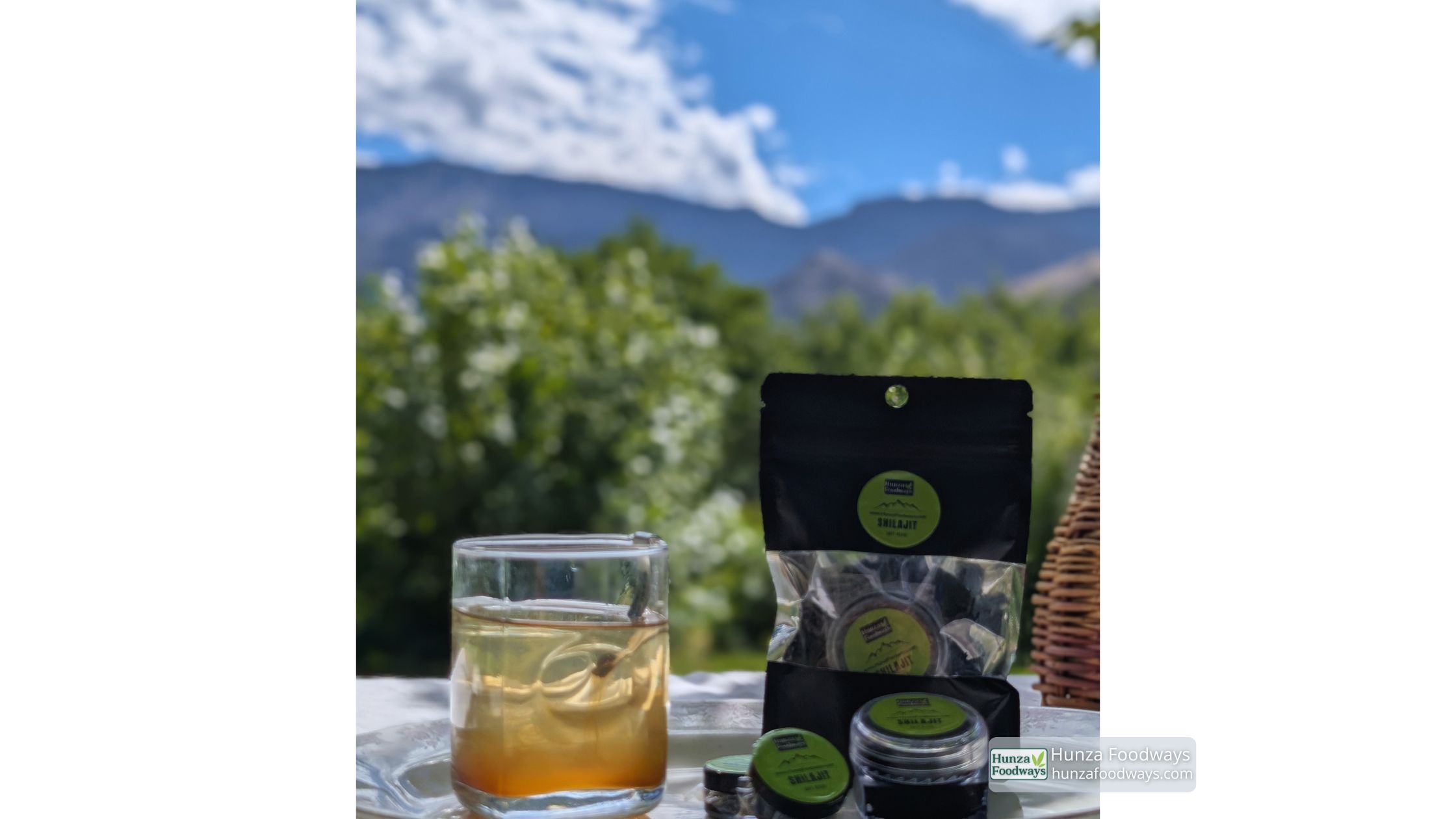
- Dissolve it in a cup of warm milk, water, or tea. It should soften and mix in within a minute or two.
- Add a small amount of honey if you want to balance out the taste.
- Drink it after a meal rather than on a completely empty stomach, especially when starting out.
Shilajit dissolves best in warm liquid, but avoid boiling it directly, since high heat can break down some of the beneficial compounds. Warm, not boiling, is the rule to remember.
What is the Best Time to Take Shilajit?
Most people in Hunza and across Gilgit-Baltistan traditionally take shilajit in the evening, after dinner, since it has historically been associated with recovery and rest. That said, some people prefer taking it in the morning for a steadier feeling of energy through the day. Both approaches are used traditionally, so it largely comes down to personal routine and how your body responds.
A common cycle is to take it for 3 to 4 consecutive days, then rest for 2 days, and repeat this pattern for 2 to 3 months depending on your goals.
How to Eat Shilajit If You Dislike the Taste
Shilajit has a strong, earthy, mineral-forward taste that some people adjust to quickly and others find harder to get used to. If the taste is a barrier for you, a few things help:
- Mix it into warm milk instead of water, since the milk softens the flavor considerably
- Add a small amount of honey or a pinch of cinnamon
- Start with a smaller dose and gradually increase it as your palate adjusts
Most first-time users report that the taste becomes far less noticeable after the first week of regular use.
Does Shilajit Expire?
Properly purified shilajit resin has a long shelf life, often several years, as long as it is stored correctly. Because it is essentially a mineral resin rather than a fresh food product, it does not spoil the way perishable items do. That said, a few storage habits matter:
- Keep the jar tightly sealed between uses to prevent it from drying out or absorbing moisture from the air
- Store it at room temperature, away from direct sunlight and heat
- Avoid introducing water or a wet spoon directly into the jar, since this can affect texture over time
If your shilajit becomes noticeably drier or harder over time, it is usually a sign of air exposure rather than the product going bad. It can still be used, though you may need to let it soften slightly before measuring a dose.
Signs You Are Using Genuine Shilajit
Since the market has a fair amount of diluted or fake product, it helps to know what to look for. Genuine, properly purified shilajit should:
- Soften and dissolve fully in warm liquid within a couple of minutes, without leaving gritty residue
- Have a strong, natural mineral smell rather than a chemical or burnt odor
- Come with visibility into lab testing for heavy metals, since this is the only reliable way to confirm purity
Our Pure Himalayan Shilajit is lab-tested by PCSIR for lead, cadmium, mercury, and arsenic, and every order comes with a measuring spoon and a how-to-use guide so you can start with the right dosage from day one. You can also view our complete lab report here before you order.