
Nestled in the breathtaking landscapes of northern Pakistan, Rahimabad village offers a perfect blend of natural beauty, rich cultural heritage, and agricultural abundance. Located on the path to the famous Hunza Valley, this quaint settlement in Gilgit Baltistan is a must-visit for travelers seeking authentic experiences away from crowded tourist spots.
Whether you’re drawn to its lush orchards, historical tales, or warm hospitality, Rahimabad promises an unforgettable glimpse into traditional mountain life.
Picture
Geography and Location of Rahimabad
Rahimabad is situated in a narrow valley spanning approximately 5 square kilometers, administratively falling under Tehsil Danyore in Gilgit District, Gilgit Baltistan, Pakistan. Positioned north of Gilgit district, it lies between latitudes 36.18.978 to 36.19.5890 N and longitudes 74.01.75 to 74.36.120 E. The village’s elevation varies from 1800 meters above sea level in the valley floor to 2000 meters in the upper mountainous areas, creating a diverse terrain ideal for agriculture and scenic hikes.
A major nalla (stream) divides Rahimabad into two main clusters: Rahimabad Paeen (lower) and Rahimabad Bala (upper). This natural division adds to the village’s charm, with each side offering unique views of the surrounding peaks and valleys. The location makes Rahimabad an accessible stopover for those traveling to Hunza, providing a serene escape amid the rugged Karakoram mountains.
The Rich History of Rahimabad Village
Rahimabad’s history is as fascinating as its landscape. Originally known as “Partab Singh Pura” after a Sikh Raja named Partab Singh, the village later earned the name “Matumdass,” meaning “Dark Plain.”
Today, it is officially called Rahimabad, named in honor of Aga Khan V, the spiritual leader of the Ismaili Muslim community.
Local elders recount tales of Raja Partab Singh, who resided in the “Malchi” area—an elevated grazing land about 400 meters above the village. This upper region features a small spring and is primarily used for winter grazing due to water scarcity. While limited irrigation has allowed some cultivation, the land remains divided among various tribes, preserving ancient communal practices. This historical evolution reflects the village’s transition from royal influences to a community-centered identity, making it a intriguing spot for history enthusiasts exploring Gilgit Baltistan.
People and Culture in Rahimabad
The people of Rahimabad boast a unique culture deeply rooted in their heritage. Most residents have migrated from central Hunza, bringing with them traditions that blend seamlessly with the local environment. The primary language spoken is Burushaski, a linguistic isolate that adds to the region’s cultural distinctiveness, though many also converse in Shina and other local dialects.
Life in Rahimabad revolves around community and simplicity. With a population of approximately 1,781 people across 250 households (as per the 1998 census), the villagers maintain strong familial ties. Daily activities include agriculture, farming, business ventures, and jobs in various sectors, fostering a resilient and self-sufficient society. Visitors often praise the hospitality of Rahimabad’s inhabitants, who embody the warmth and generosity typical of Gilgit Baltistan’s mountain communities.
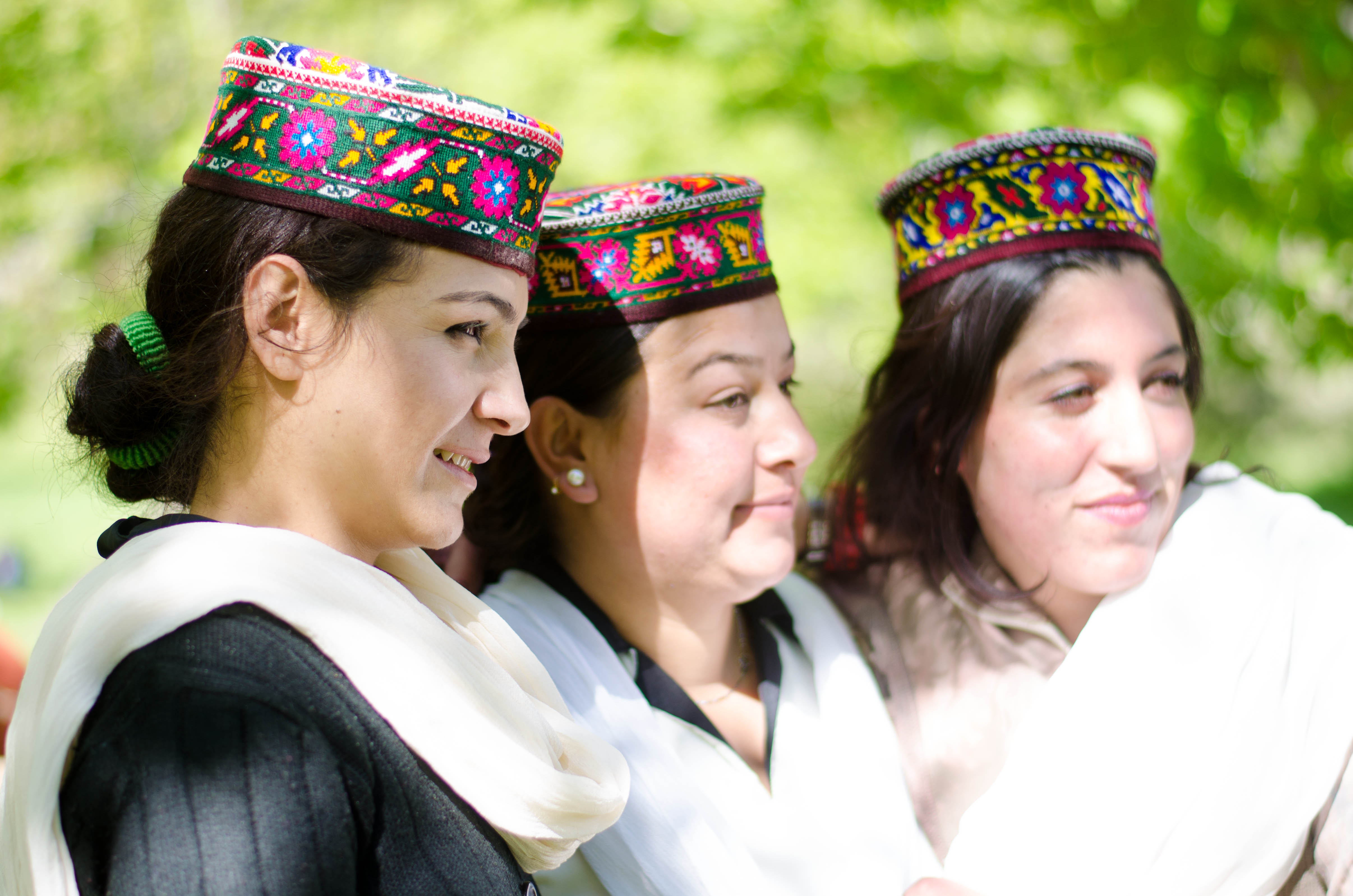
Burusho people – Wikipedia
Economy and Livelihood: Fruits of Rahimabad
Agriculture forms the backbone of Rahimabad’s economy, with the village renowned for its bountiful produce. Grapes, apricots, cherries, and other fruits thrive in the fertile valley, thanks to the ideal climate and soil. These crops not only sustain local families but also generate significant income through sales and exports.
In addition to farming, Rahimabad features three fruit processing plants that transform fresh harvests into value-added products like jams, dried fruits, and juices. This agro-based economy supports sustainable livelihoods while attracting buyers from across Pakistan. For those interested in organic farming or eco-tourism, Rahimabad’s orchards offer hands-on experiences, highlighting why the village is a key player in Gilgit Baltistan’s fruit industry.
Education and Development in Rahimabad
Rahimabad has made strides in education and infrastructure, ensuring a brighter future for its youth. The village hosts a Government High School and a Government Girls High School, providing essential secondary education.
Complementing these are private institutions like the Aga Khan Local Higher Secondary School and Mehran Primary School, which offer quality learning opportunities.

These educational facilities reflect the community’s commitment to progress, blending modern schooling with cultural values.
Development activities, including the fruit processing plants, further contribute to economic growth, making Rahimabad a model of balanced advancement in rural Gilgit Baltistan.
Why Visit Rahimabad? A Call to Adventure
Rahimabad village in Gilgit Baltistan is more than just a destination—it’s a living tapestry of history, culture, and nature. From its fruit-laden orchards to its storied past and welcoming people, this hidden gem invites explorers to immerse themselves in the authentic essence of Pakistan’s northern frontiers.
Plan your trip to Rahimabad today and discover why it’s becoming a favorite among adventure seekers and culture lovers alike. Whether hiking the upper trails or savoring fresh cherries, memories from Rahimabad will linger long after you leave.